Role: UX Designer
Context: Final year university project
Tools: Figma
Focus: User research, product design, emotional wellbeing
Amity | User-Centred UX Project
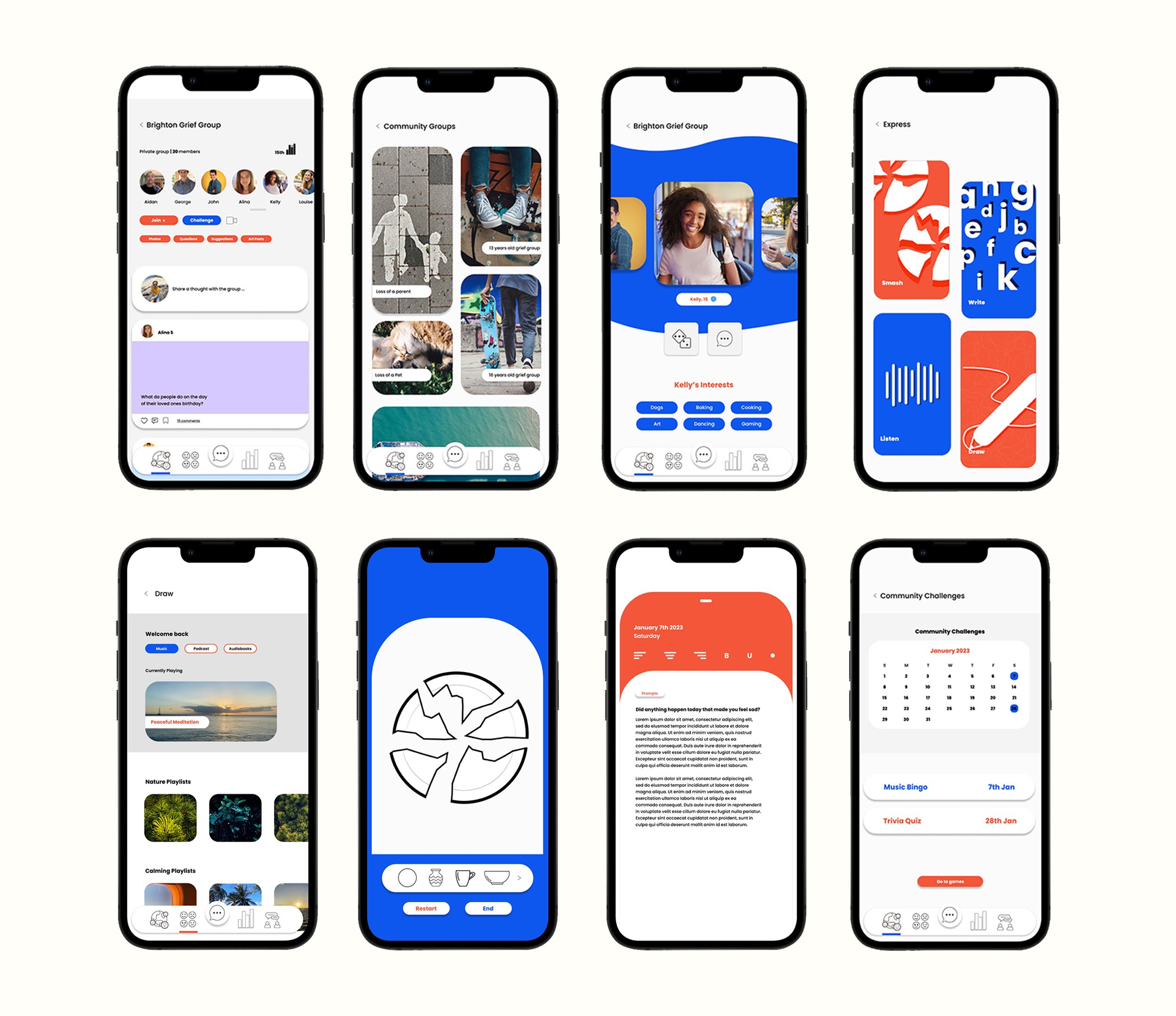
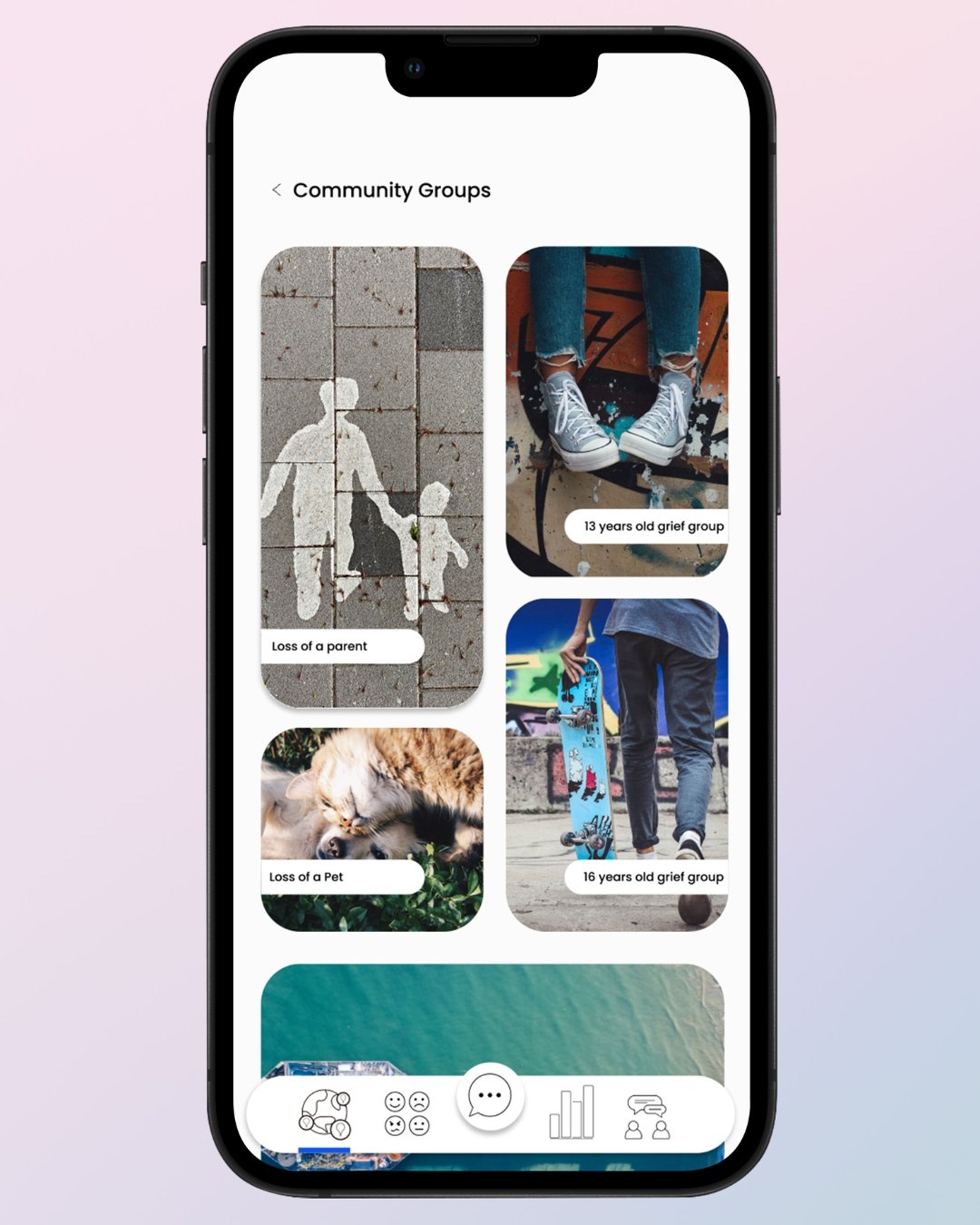
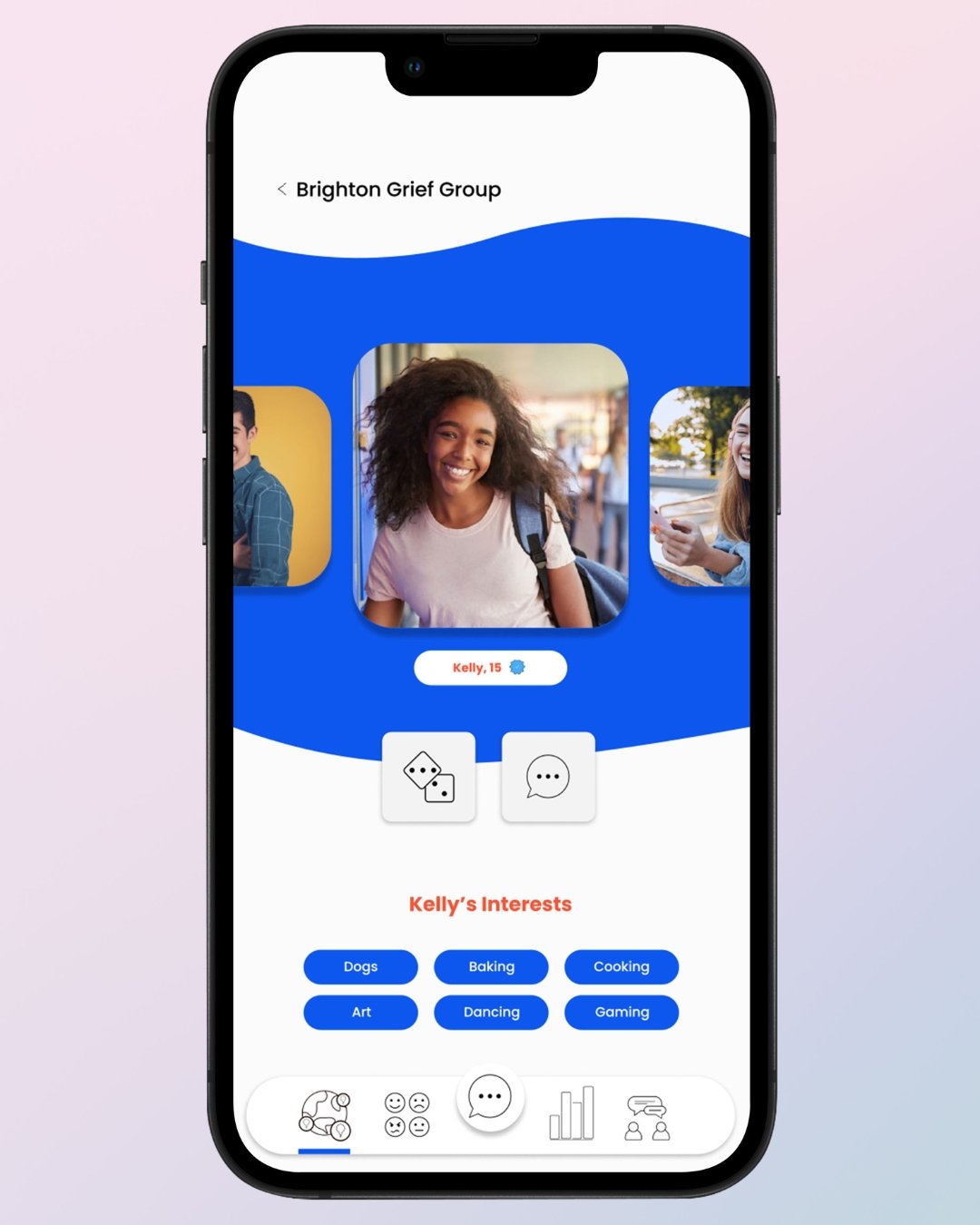
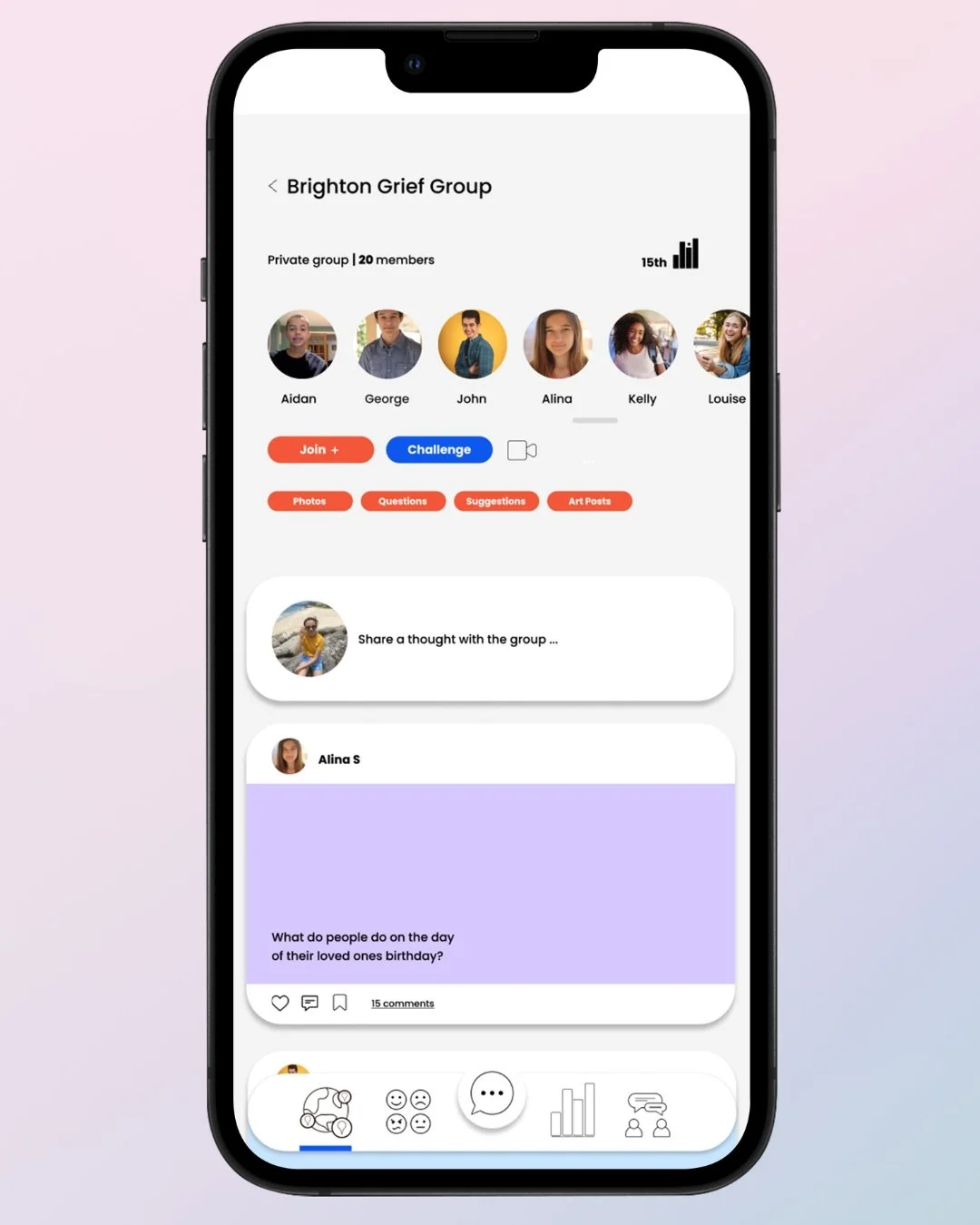
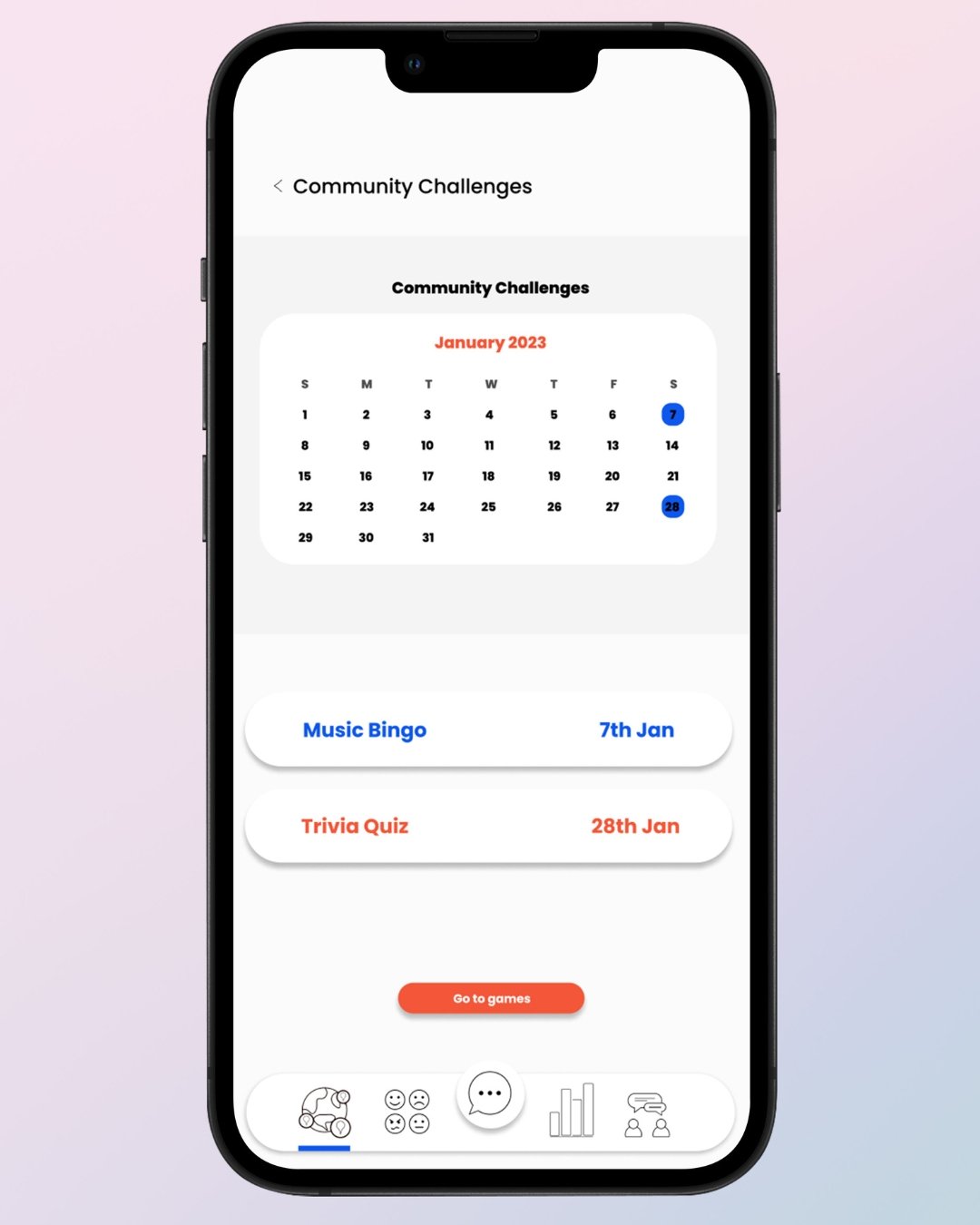
Amity is a user-centred product concept designed to support young people navigating grief. The project explores how digital tools can help reduce feelings of isolation and provide emotional support beyond traditional in-person counselling.
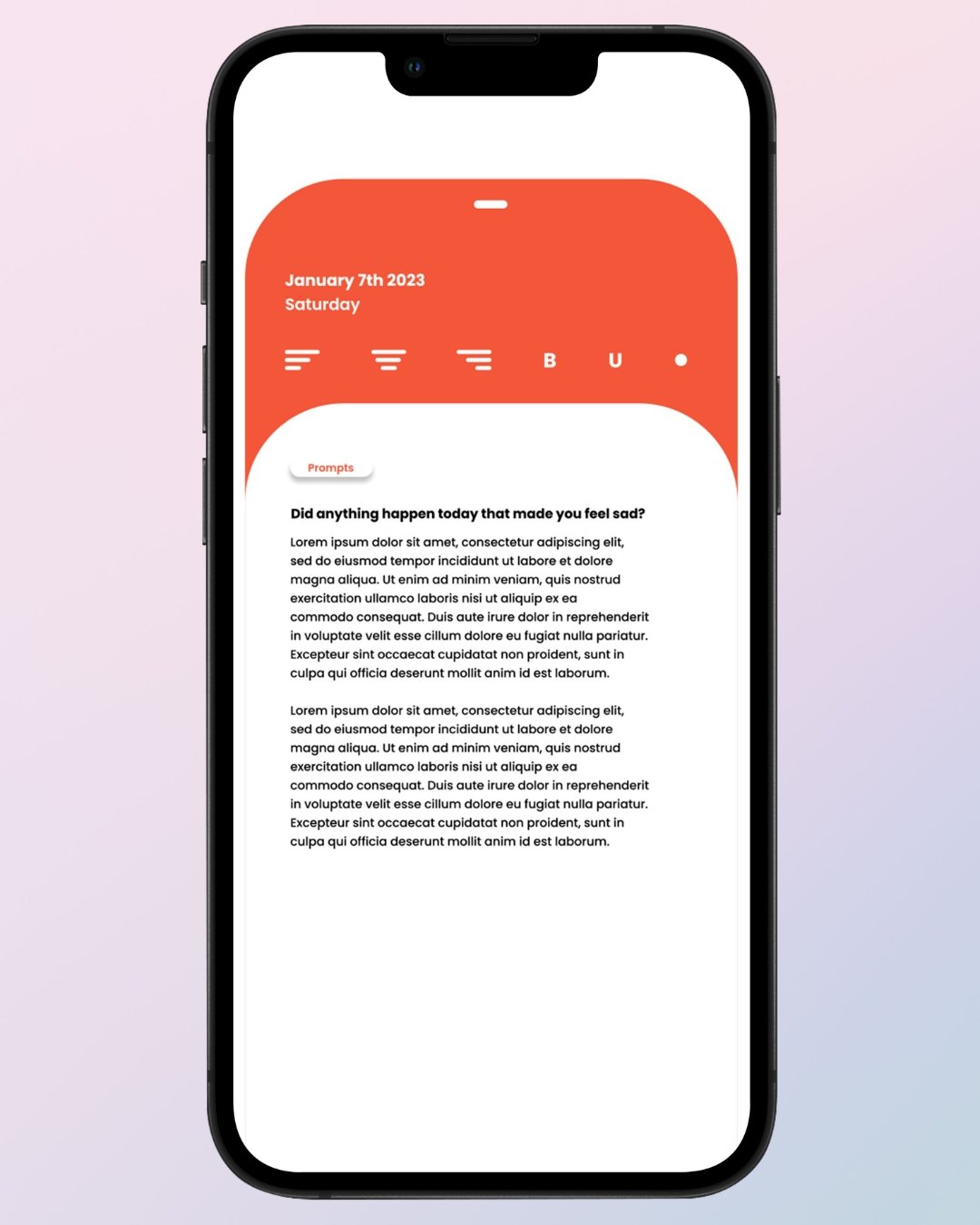
The focus was on creating a positive, supportive experience that encourages connection and emotional expression, rather than centring the product entirely around loss.
The Problem
Through initial research, I identified a gap in existing support options for grieving teenagers. Many services focus primarily on counselling, which can feel formal, intimidating, or inaccessible for young people.
This highlighted an opportunity to design a more informal, digital-first product that could offer support in everyday moments, outside of clinical environments.
To better understand the needs of the audience, I spoke directly with teenagers who had experienced the loss of a loved one. These conversations helped surface common themes around isolation, emotional overwhelm, and difficulty expressing feelings.
Feedback gathered throughout the process informed feature decisions, tone of voice, and visual direction, ensuring the product remained grounded in real user needs.
User Research
Design Direction
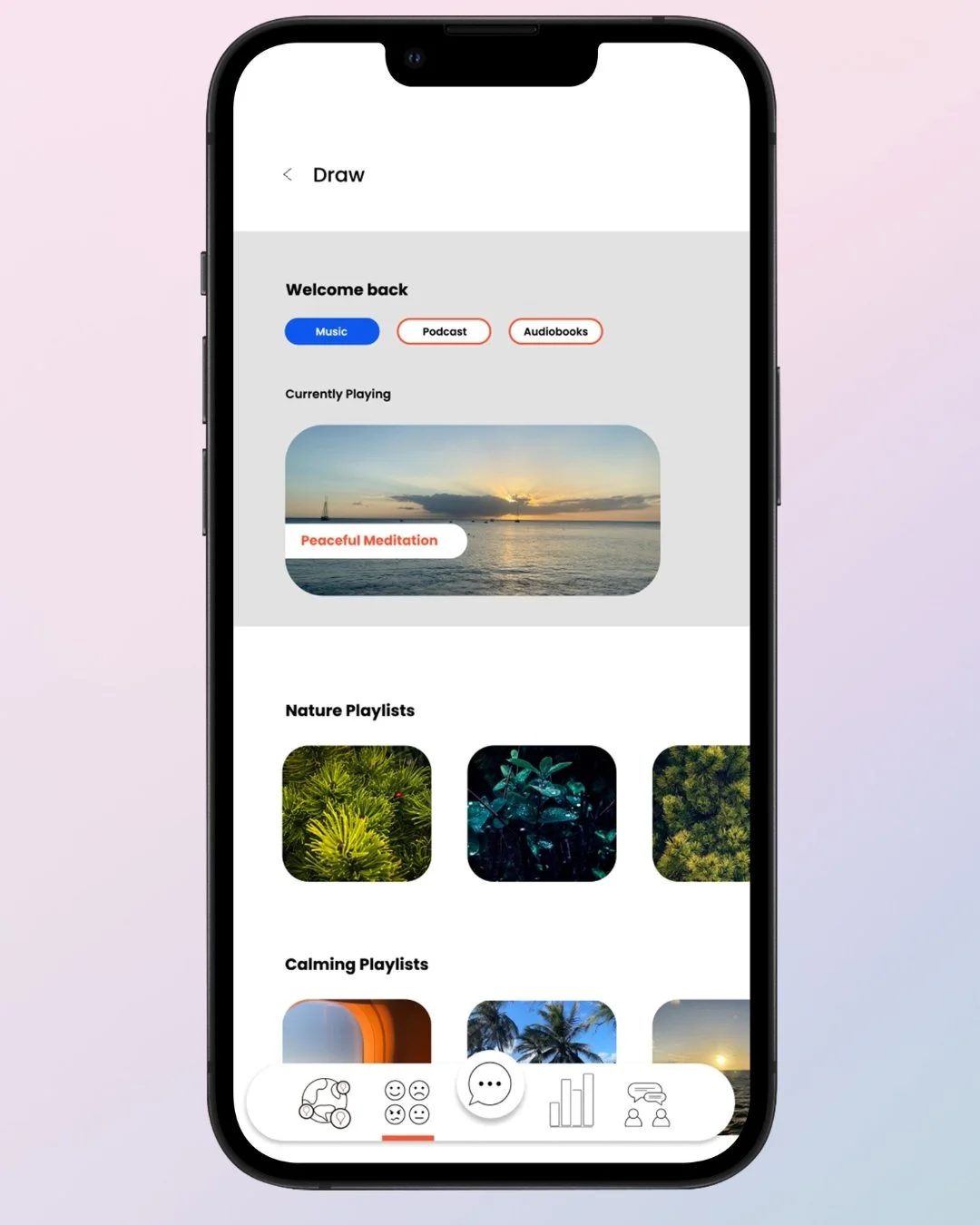
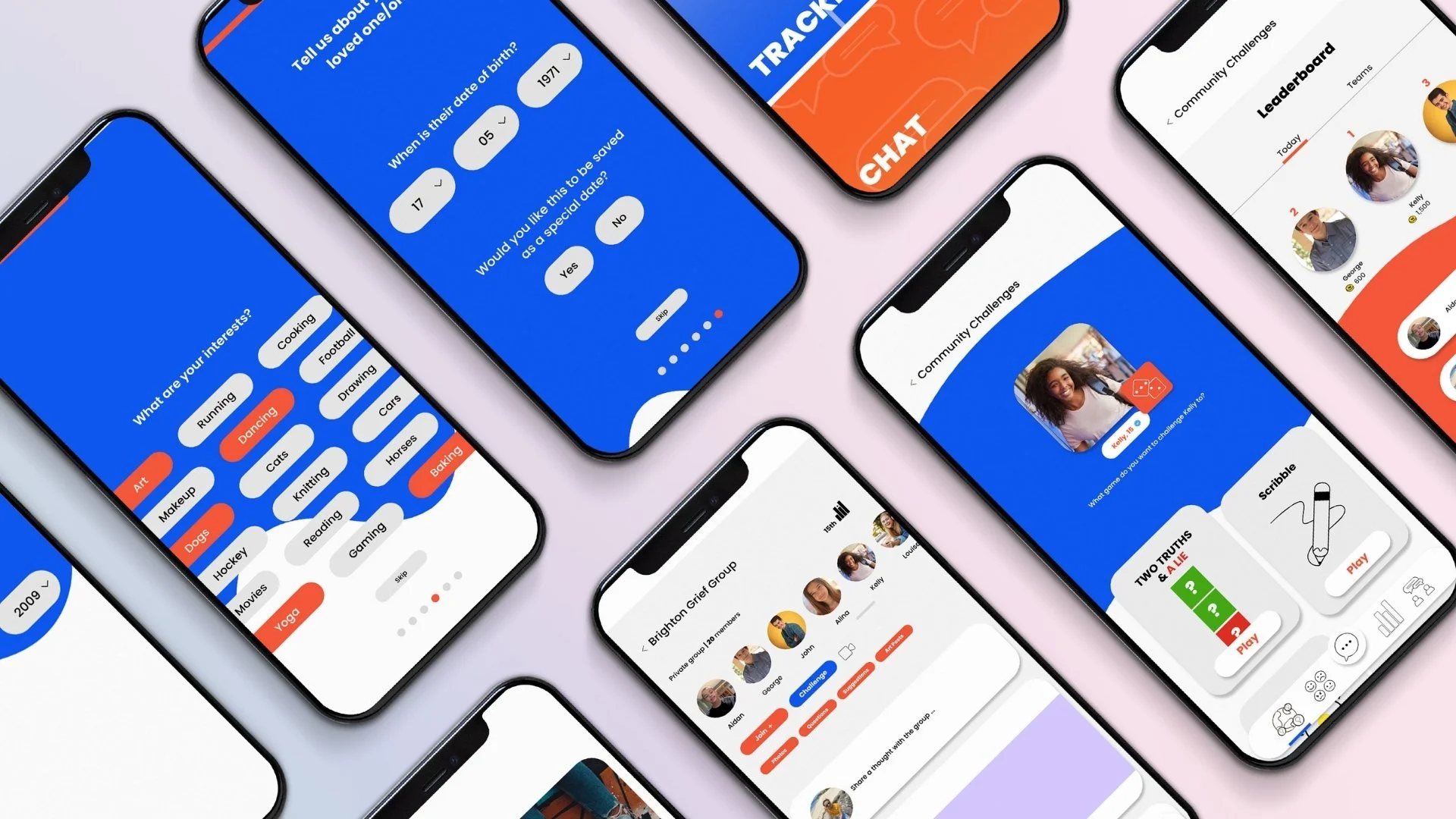
Rather than creating an interface that felt sombre or grief-focused, I intentionally designed Amity to feel positive, calm, and uplifting. Bright colours, friendly language, and simple interactions were used to create a sense of safety and approachability.
This approach aimed to support users emotionally without overwhelming them.
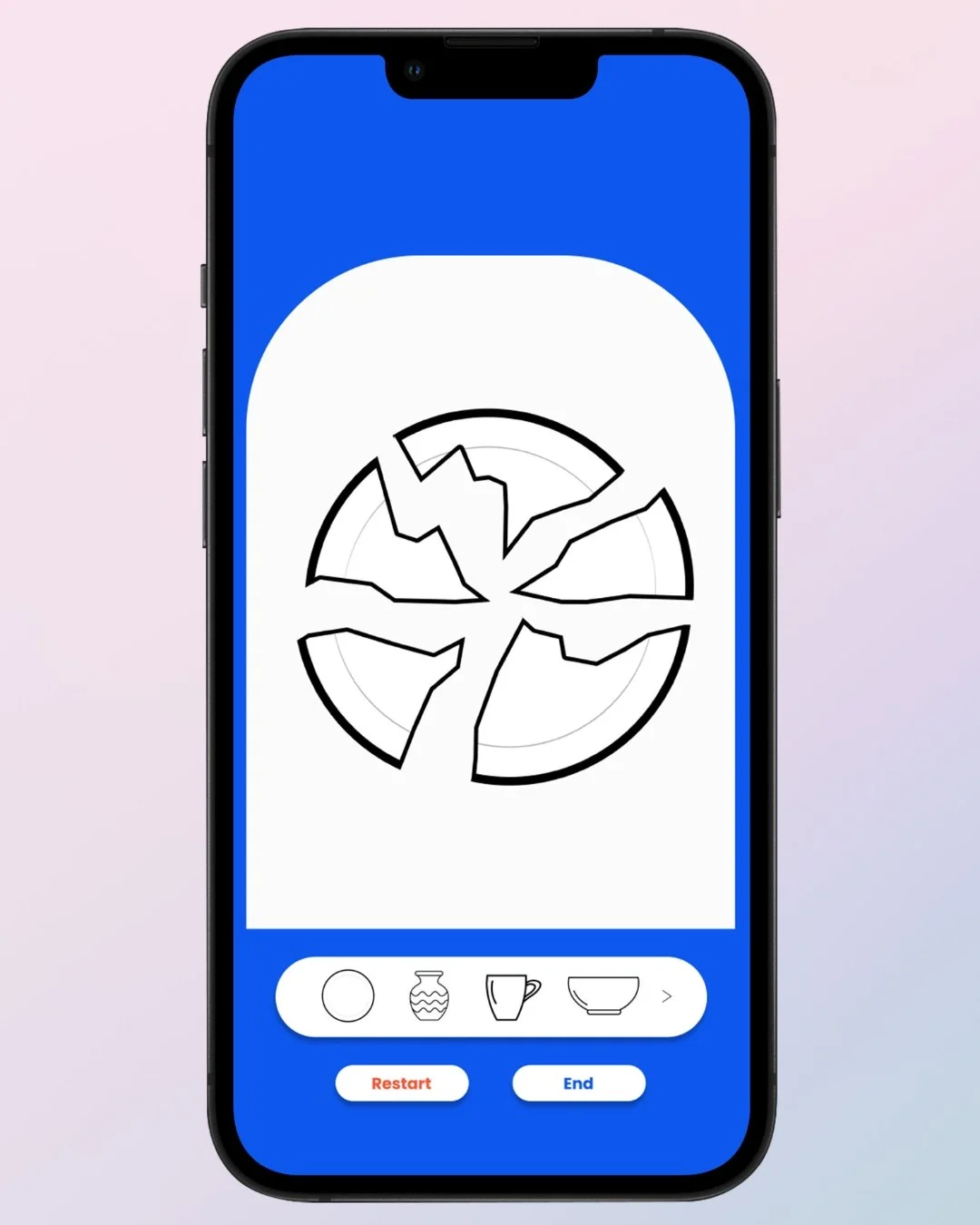
Smash
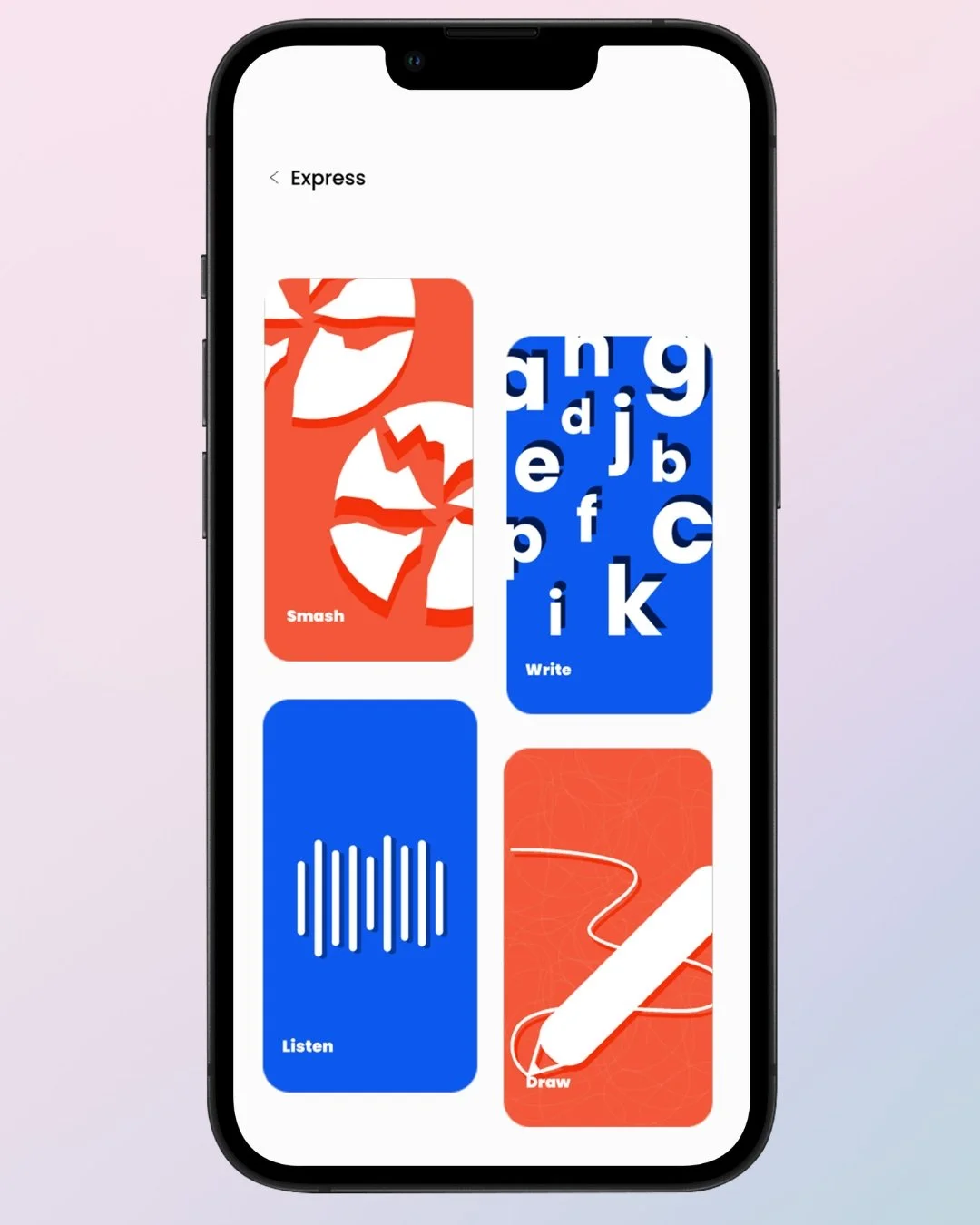
Smash is a simple interactive tool designed to help users release anger and frustration in a healthy, non-judgemental way.
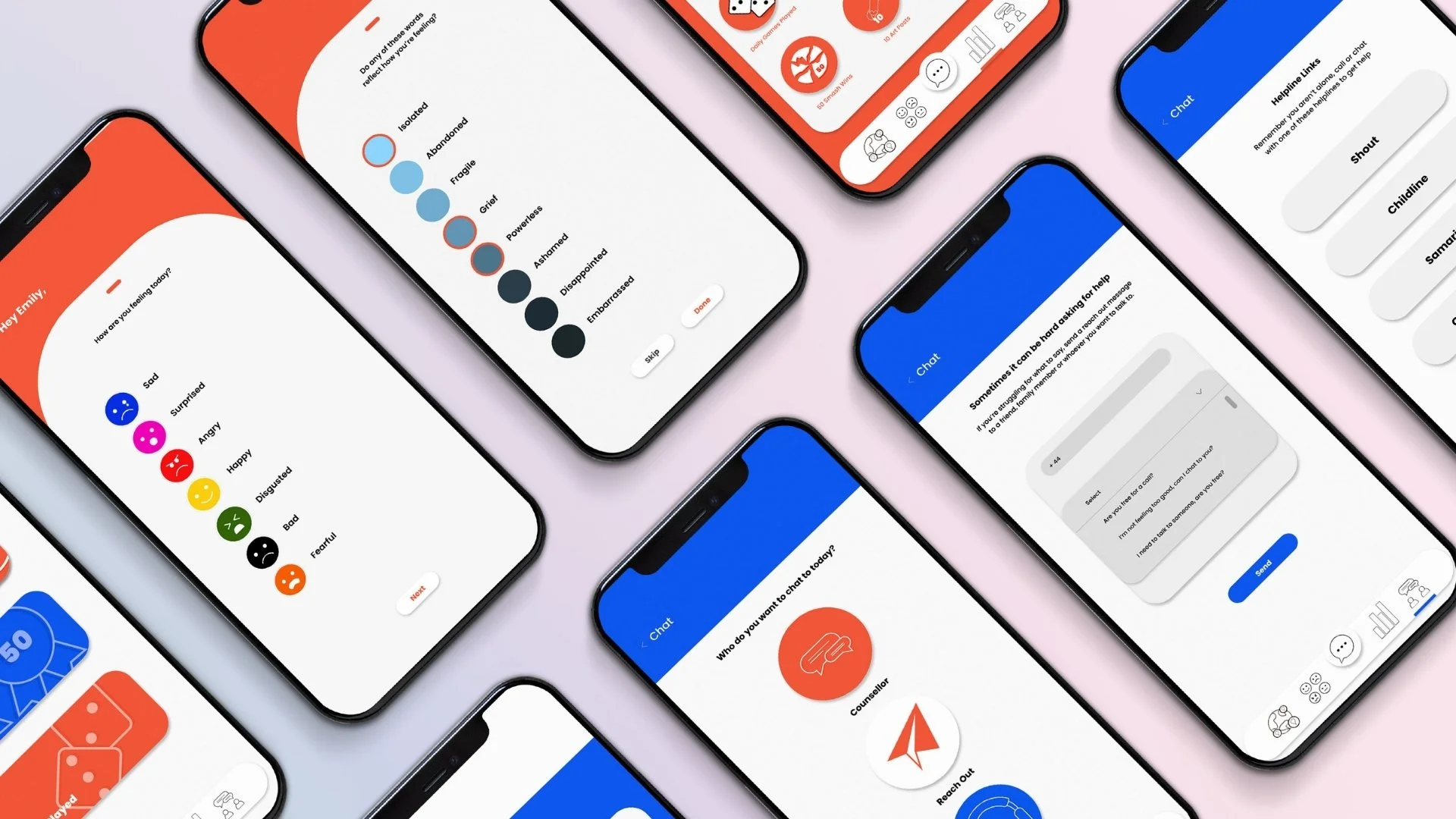
Emotion Tracker
The emotion tracker is based on Plutchik’s theory of emotion and helps users identify and articulate how they are feeling, supporting emotional awareness and reflection.
Key Features
Throughout the design process, I prioritised clarity, accessibility, and emotional sensitivity. Interactions were kept simple, content was carefully worded, and layouts were designed to avoid cognitive overload.
These considerations were particularly important given the emotional context of the product and the age of the target audience.
UX Considerations
Outcomes & Learnings
The final concept met both the project brief and my personal goal of creating a meaningful, user-led digital product. Amity demonstrates how thoughtful UX design can support emotional wellbeing while remaining approachable and engaging for young users.
If developed further, I would validate the concept through usability testing and explore how moderation, safeguarding, and data privacy could be integrated responsibly. I would also look at how the product could evolve to support different age groups or emotional needs over time.
Reflection